Wednesday, October 16, 2019

How to Restore your Health through Weight Loss Surgery?

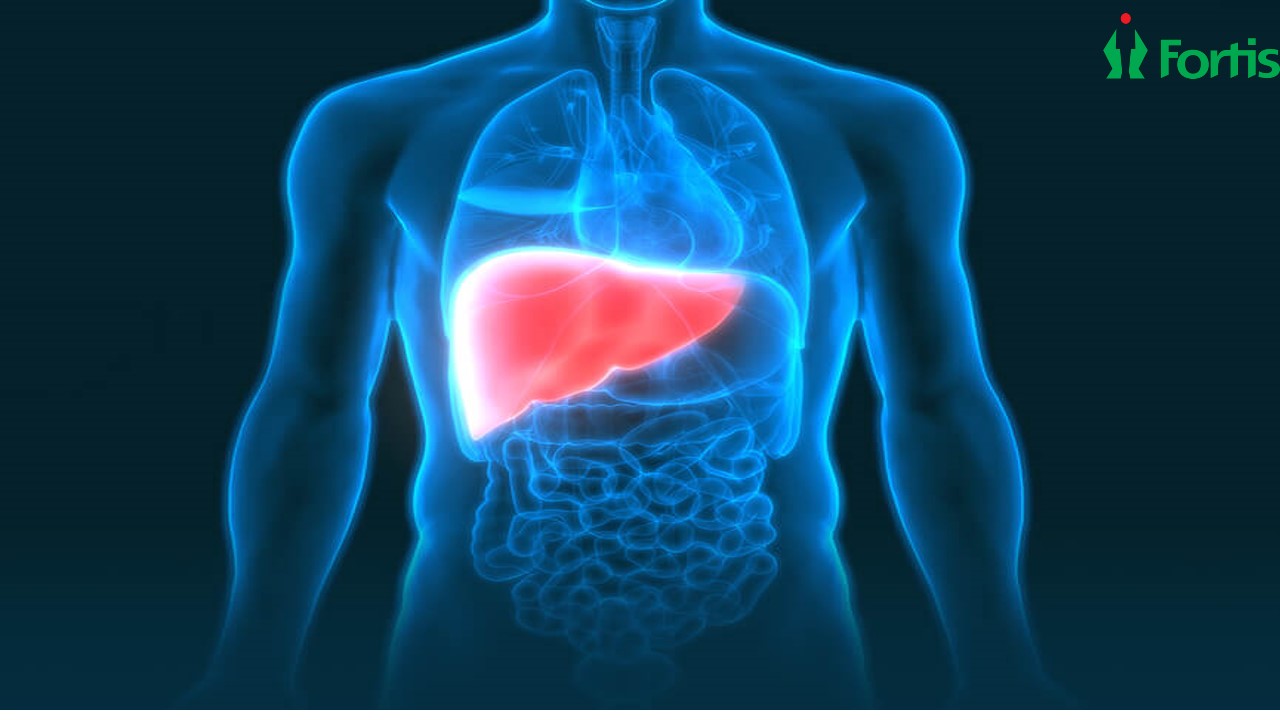
Weight-loss surgery is considered to be the most effective treatment for obesity in order to improve obesity-related comorbid conditions. This is also known as Bariatric surgery and nowadays available with many Gastro Care Hospitals.  It can be very helpful to the person who is tired of trying and failing to lose weight and can’t spend their early mornings with difficult exercises.
Gastric bypass surgery also helps in getting rid of high blood pressure, diabetes,
heart disease and sleep apnea, if consulted in a good Gastro Care Hospital.
On the other hand, as a weight-loss technique dieting can not be helpful for
everyone and the hardest part of dieting is distorting our natural connection with
hunger and food. It becomes painful when you have to distinguish food as good and
bad. Denying our hunger can also lead to developing the habits of emotional eating
and experiencing guilt if we consume unhealthy food.
Weight-loss surgery helps you to lose weight in a simple, painless and quick
manner. There are various methods and types of Surgical Gastroenterology that are
used by Gastroenterologist doctors.
However, you must always consult with a Gastroenterologist in order to go ahead
with a weight loss surgery since it is not a miracle procedure and may not suit
everyone. After the treatment, around 85-90% of patients have reportedly stopped
consuming any medications to keep their diabetes under control.
Doctors and therapists at Fortis Hospitals are very dedicated to help you in your
weight-loss by facilitating a comprehensive and multidisciplinary approach to weight
loss management and obesity-related illnesses. Backed by the state-of-art facilities
and a set of erudite surgeons, Fortis Hospitals has been one of the premium gastro-care hospitals in Bangalore.


Monday, October 7, 2019

REASONS FOR THE RISE OF MEDICAL TOURISM IN INDIA


Reputed to be one of the best hospitals in India, Fortis International Health Care, Bangalore has consistently been at the forefront of medical tourism industry in the country, thanks to its superlative healthcare across the complete spectrum of specializations.

Through its expertise in diverse specialties such as diabetes, diabetic foot surgery, neuro sciences, minimal access surgeries, oncology, cardiac sciences and orthopedics, Fortis Hospitals constantly strives to provide the best healthcare service in India. 

In order to do so, it relies on its superior infrastructure and its pool of qualified and experienced healthcare professionals who are experts in their respective specialties.

Recognizing the phenomnal growth in the domain of medical tourism in India, our hospital has a dedicated service line cell for international patients. 

Through this department, we aim to provide the best facilities for our overseas patients and make their visit and stay here as convenient and seamless as possible, by taking care of all the related aspects such as the formalities related to the different consulates and their embassies, airport pick up and drop facilities from international and domestic airports, economical hotel accomodation, prior appointments with the doctors and consultants, a detailed orientation on their arrival at our hospital, and much more. This has contributed in no small part to our reputation as one of the finest medical tourism hospitals in India.

The Intensive Care Unit (ICU) and Casualty Care Services at our hospital adheres to the best practices followed around the globe, making us a top-class international patient hospital which can be relied upon round-the-clock . 

We offer prompt medical intervention to critically ill patients through our state-of-the-art operational theatres and cath labs.

Fortis Healthcare Limited is a premier integrated healthcare service provider both in domestic as well as international circles. We have 54 healthcare facilities spread across India, Dubai, Mauritius and Sri Lanka, with approximately 10,000 potential beds and 260 diagnostic centres, apart from our diagnostics and day care specialty facilities. 

Through our consistent service and rigorous emphasis on clinical excellence, we have carved a niche for ourselves for being one of the best healthcare centres for medical treatment in India.


Monday, September 30, 2019

Heart Transplant: Purpose, Procedure, Risks, Recovery


The process by which a damaged or diseased heart is replaced with a healthy heart from a donor is referred to as heart transplant. An incredibly complex procedure, this is performed to treat the most serious and/or complicated cases of heart ailments when all the other options such as medication, lifestyle changes and less invasive procedures have proven futile.


Fortis Hospital is one of the top hospitals for heart transplant surgery in India, equipped with a team of highly skilled cardiologists, cardiac surgeons and heart transplant specialists.  They are adequately supported by our state-of-the-art infrastructure.

When is a heart transplant surgery performed?

There are certain conditions which are considered particularly detrimental to the well-being of an individual, which warrant this procedure:

Ø  Cardiomyopathy: The walls of the arteries become thickened and stiff, making harder for the heart to pump blood.

Ø  Coronary Artery Disease: The blood vessels which supply blood, oxygen and other essential nutrients to the heart become afflicted with a build-up of plaque on the inner walls. This reduces the blood flow to the heart and hence results in a heart attack.

Ø  Congenital Heart Defects: A person may be born with certain structural or performance defects in the heart which requires a transplant.


Fortis Hospitals is a multi-specialty hospital which is renowned for its hearttransplantation and cardiac surgery. The specialists at Department of Cardiology carry out a wide array of tests to ensure a high survival rate and the best outcome for a patient.

What are the tests performed before a transplant?

Fortis Hospital is well-known for its heart transplant treatment thanks to our rigorous care and an eye for detail, with a dedicated team overseeing all the aspects of heart transplant.  These include
§        
      Blood Tests to ensure a good donor match
§      
        Diagnostic tests including CT scan, pulmonary function tests (PFTs) and X-rays to assess the overall condition of the person as well as the state of the lungs.
§      
      Vaccinations to minimize the possibilities of an  infection

Steps involved in Heart Transplantation:

Step 1: A general anesthetic is administered to the patient.

Step 2: The patient is connected to an intravenous line  and a ventilator to facilitate supply of medicine and to assist in respiration. 

Step 3: The surgeons make a cut in the breastbone in order to facilitate the removal of diseases heart and the insertion of the donor heart.

Step 4: The patient is connected to a heart-lung bypass machine to enable blood circulation when the surgery is being performed.

Step 5: The defective heart is removed and the healthy donor heart is inserted. The blood vessels are connected with proper care so that there is no leakage.

Step 6: The bypass machine is finally disconnected.

After the surgery, the patient is kept in the hospital to allow for the stabilization of his/her vital health parameters. There will of course be several follow-up appointments to constantly monitor the functioning of the new heart.

Risks and Complications of Heart Transplant

This surgery has its own share of probable risks, which a person must be aware of. These include:
           
     Rejection: The recipient’s immune system may confuse the new donor heart with a foreign object and attack the donor heart. This risk can be mitigated to a certain extent with the help of immunosuppressants-medications that suppress the potency and activities of the body’s immune system. Nevertheless, it is still a possibility in a small percentage of the cases. This can be assessed through biopsy and be treated with medication.

     Side-effects of medicines: The immunosuppressants may result in many side-effects such as kidney damage, osteoporosis, high blood pressure and cholesterol levels, and also cancer. This can be tackled through regular follow-ups at our reputed cardiac care hospital.

    Infection: Since the body’s digestive system is weakened by the medications, the risk of getting an infection is high. However, it reduces significantly after the first year of transplant.

Fortis Hospital is among the best heart valvereplacement surgery hospitals in India with 250 successful heart transplantations to its credit and over 30 years of experience.


Thursday, September 19, 2019

WHAT WE NEED TO KNOW ABOUT SPINE SURGERY?


Back pain is one of the most common conditions that most of us experience at some point in our lives. It usually occurs due to straining of the muscles, degenerative tissues, herniated disc, sacroiliac joint disease, arthritis, fracture in the lumbar vertebrae etc. and can be experienced in the upper back, mid-back or lower back region. There has been a spurt in the number of people experiencing back pain in recent times due to poor posture and lack of exercise brought about by the modern sedentary lifestyle. A person experiencing back pain for a prolonged period of time must seek medical care from qualified experts.
Fortis Hospitals is a well-known spine surgery hospital in India that is equipped with the necessary facilities to offer top-quality health care services for effective treatment of back pain.
Some of the Common Types of Spinal Surgeries are:
➢ Artificial Disc Replacement: It involves replacing a painful disc that is causing chronic back pain with an artificial disc that provides relief from the pain without compromising the spine’s natural anatomical structure. The artificial disc is similar to the damaged one in structure and also share similar functions.
➢ Cervical Disc Replacement: In this procedure, an artificial disc is inserted between two vertebrae in the neck which act as shock absorbers between the bones of the neck or the cervical spine.
 Lumbar Puncture: A needle is inserted between the two vertebrae to remove a sample of the cerebrospinal fluid in order to diagnose serious infections such as meningitis and other disorders of the central nervous system.
 Diskectomy: A surgical procedure to remove the damaged portion of a herniated disk in the spine.
 Laminectomy: It is a surgery that creates space by removing the lamina, or the back part of the vertebra covering the spinal canal to relieve the pressure on the spinal cord.
 Spinal Fusion: This surgery is done to connect two or more vertebrae in your spine and eliminate the motion between them.
Back pain has many implications and the treatment for it involves a multi-disciplinary approach requiring the collective expertise of specialists from different fields, such as orthopaedics and neurology. Fortis Hospital has carved a name for itself in the domain of brain surgery in India by adopting a holistic technique of treating back pain and other related conditions, which include sharing of knowledge and technical expertise.
Benefits and Risks of Spine Surgery
Surgery is only performed after having tried out a variety of non-surgical treatments to alleviate the back pain. Some of the benefits include:
• better mobility
• improved physical fitness
• reduced need for pain medications
• better productivity
However, spine surgery does have its share of possible risks, such as:
• Bleeding
• Infection
• Nerve damage
• Stroke
• Heart attack
Minimally Invasive Spine Surgery
This is a modern approach in the field of surgeries, and has considerable benefits compared to the traditional open spine surgery. It involves making minute keyhole incisions in the spinal region and using a laparoscope to examine and treat any abnormalities. The benefits of this advanced technique are:
• smaller incisions lead to reduced blood loss and better cosmetic results
• reduced risk of muscle trauma
• faster recovery and reduced hospital stay
• reduced reliance on pain medications after surgery
Fortis Hospital lives up to its reputation of being one of the foremost neurology hospitals in India owing to its reliance on cutting-edge techniques to solve such type of problems. This technique is also beneficial for treating a host of other conditions cutting across medical specializations.

Wednesday, September 4, 2019

What Happens During a Kidney Biopsy Procedure?

If you’re suffering from complications in your kidney, you might be asked to do a kidney biopsy. Fortis Hospitals offers one of the finest acute kidney failure treatments in India.

What is a Kidney Biopsy?

A biopsy is done to remove tissue or cells from the body to exam under a microscope. The tissue sample is removed with a needle to check for cancer or other abnormal cells. It also helps check how well the kidney is working.
There are 2 types of kidney biopsies:

Needle biopsy:

After anesthesia is given, the healthcare provider inserts the biopsy needle into the kidney to get a sample. Ultrasound or computed tomography (CT scan) may be used to guide the needle. Most kidney biopsies are done using this technique.

Open biopsy:

After anesthesia is given, the doctor makes an incision in the skin and surgically removes a piece of the kidney.

Preparations for a kidney biopsy:

A kidney biopsy may be done on an outpatient basis or in a hospital. It may be done in a
procedure room, in a hospital bed, or in the radiology department. Procedures may vary
depending on your condition and your doctor’s practices.
Generally, a kidney biopsy follows this process:
  •  You will be changed into a hospital gown.
  • An intravenous line may be started in your arm or hand.
  •  You will lie on your stomach so that the doctor can easily reach the kidney.
  •  The skin over the biopsy site will be cleaned with an antiseptic solution.
  •  You will feel a needle stick when the local anesthesia is injected. This may cause a brief stinging sensation.
  • You will need to lie still during the procedure.
  • Ultrasound or X-ray may be used to guide the needle into the kidney.
  • You will be asked to breathe in and hold your breath while the doctor inserts the biopsy needle into the kidney. This prevents movement of the diaphragm, which may interfere with the placement of the biopsy needle.
  • You may feel discomfort or pressure when the sample is taken.
  • When the needle is withdrawn, firm pressure will be applied to the biopsy site to control the bleeding.
  • A sterile bandage or dressing will be applied.
  • The kidney tissue sample will be then sent to the lab for testing.
Backed by world-class set of surgeons and supreme technologies, Fortis Hospitals has remained to provide one of the best renal biopsy treatments in India.

Monday, August 26, 2019

Indications for Liver Transplantation


In general, liver transplantation is indicated in children and adults suffering from irreversible liver dysfunction or the effects of liver dysfunction after alternative medical and surgical treatments have been put to use. Consult at Fortis Hospitals for it offers premium liver transplant surgery in India.


Specific indications can include:


1.      Acute hepatic fulminant failure

2.      Extrahepatic biliary atresia or hypoplasia

3.      Inborn errors of metabolism involve:

·         Alpha-I antitrypsin

·         Crigler-Najjar disease, Type I

·         Byler’s disease

·         Glycogen storage disease, Type I

·         Wilson’s disease

·         Hemochromatosis

·         Tyrosinemia

·         Wolman’s disease

·         Other

4.      Sclerosing cholangitis

5.      Hepatic vein thrombosis

6.      Hepatocellular Carcinoma

·         Cirrhosis including:

·         Alcohol cirrhosis

·         Biliary cirrhosis

·         Chronic active hepatitis

·         Congenital biliary cirrhosis

·         Cryptogenic cirrhosis

·         Viral cirrhosis

·         Other

Equipped with best in-class facilities and a set of erudite doctors, Fortis Hospitals is known to be one of the best liver transplant hospitals in India.

Friday, August 9, 2019

Renal Biopsy - Things You Must Know!


Fortis Hospitals, one of the premium hospitals that is known for its acute kidney failuretreatment in India. Now let’s throw some light on what is kidney biopsy.
A kidney or renal biopsy involves taking one or more tiny pieces (samples) of your kidney to look at with special microscopes. The biopsy sample may be taken in one of the two ways:

Percutaneous (through the skin) biopsy: It’s a process where a needle is placed through the skin that lies over the kidney and guided to the right place in the kidney, usually with the help of ultrasound.

Open biopsy: Here, the kidney sample is taken directly from the kidney during surgery. The kidney sample is then sent to a doctor who takes a close look at it with a microscope.

Reasons for doing a kidney biopsy:

Some kidney problems can often be found with blood and urine tests, a sonogram or other special x-rays, and a physical exam rather than a biopsy.

Specific reasons to do a kidney biopsy include:

·         Blood in the urine or protein in the urine

·         Abnormal blood test results

·         Acute or chronic kidney disease with no clear cause

·         Nephrotic syndrome and glomerular disease


Possible risks of kidney biopsy:

The risks of kidney biopsy are very small, but they should be discussed with your healthcare provider first. A blood transfusion may be needed if serious bleeding occurs. Rarely, surgery may be needed to fix a blood vessel that is damaged during the procedure.

Biopsy procedure:

A kidney biopsy is usually done in a hospital under doctor’s supervision. An overnight stay may be required to watch for any kind of glitch. You may be awake with only light sedation, or asleep under general anesthesia. You will be lying face down with a pillow under your rib cage. If the biopsy is done on a transplanted kidney, you’ll be asked to lie on your back then.

Things to remember

Before the biopsy:
·         Have a word with your doctor to make sure you understand the need for a biopsy and the risks and benefits.

·         Tell your doctor about any allergies you have and medicines you have consumed earlier.

·         Avoid blood thinning medications and supplements.


·         Avoid food and fluid for eight hours before the test.


After the biopsy:

·         Follow the doctor’s instructions. Rest in bed for 12 to 24 hours.

·         Avoid blood thinning medications.

·         Report any problems, such as:

·         Blood urine for more than 24 hours after the biopsy

·         Unable to pass urine

·         Fever

·         Feeling dizzy

At Fortis Hospitals, you receive one of the best renal biopsy treatments in India.

10 Early Signs and Symptoms of Alzheimer

While memory loss / inability in keeping track of everyday moments might very casually be associated with aging and / or addiction, i...